

Story Time
Communication
Webster Museum
November 7 at 2:30 pm
Join Mrs. Nesbitt, a retired Webster Elementary teacher and friends, for a discussion about the historic school room. We will learn about communication methods over the years, including the telephone.


Trick or Treat Trail
Halloween
Webster Museum
October 31 from 11:00 am - 2:00 pm
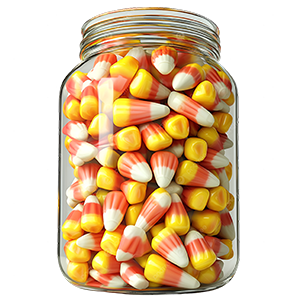
The Village of Webster's annual "Trick or Treat Trail" will be on Saturday, October 31st. Stop by the museum during the event for treats, tricks, and games.
Christmas Tree Festival
Decorate a Tree!
Webster Museum
Begins December 5th
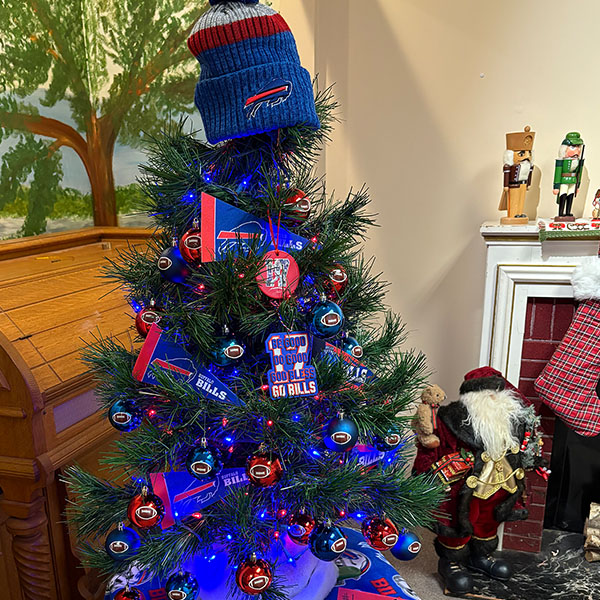
The Webster Museum’s annual Christmas Tree Festival will be held on Saturday, December 5th, 2026. This is part of the wonderful Winter Wonderland festivities in the village of Webster.
If you would like to decorate a tree or volunteer your musical talents for this much anticipated event at the Webster Museum please call Gwen Hoffman @ 585-738-6221.
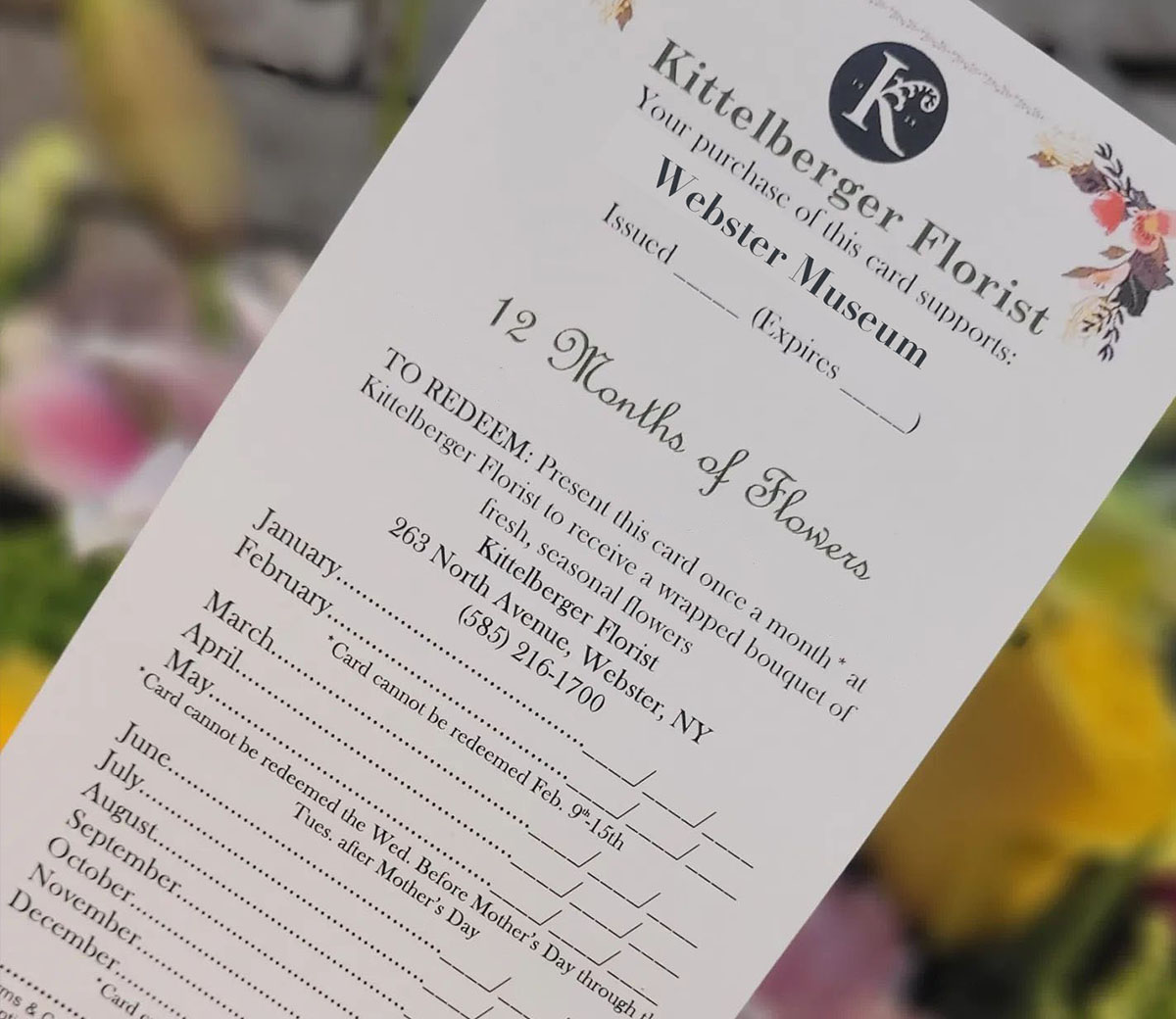
The Webster Museum and Historical Society is pleased to again offer 12 Months of Flowers cards from Kittelberger Florist!
Purchase a “12 Months of Flowers” card at the museum for $50 between November 23 and December 12, and receive one bouquet, each month, for 12 consecutive months.
Bouquets must be picked up each month at Kittelberger Florist, 263 North Ave, Webster. Kittelberger cards can be purchased from any museum volunteer, or during museum open hours: Tuesdays, Thursdays, and Saturdays 2:00 - 4:30 pm and during the Village Winter Wonderland celebration on Saturday, December 5 from 2:00 - 6:00 pm.
Payment by cash or check only; checks must be made payable to Webster Museum.

Signature or Album quilts were also known as “Friendship” or “Autograph” quilts. These terms refer to quilts that contain names of people in the community and were usually made to meet a specific purpose such as birthday or wedding gifts, parting gifts for families leaving the area, keepsakes, or as fund raisers. Signature quilts became popular in the mid 1800’s. Many were made to raise funds for Civil War soldiers or to commemorate a special event.
Many signature quilts were signed in ink while on others, the signatures were embroidered.
Any pattern could be used as long as there was enough space on the blocks for the names.
Album quilts were usually a community effort with a group of women working together to create the blocks and then putting the quilt together with the batting and backing before the actual quilting.
Signature quilts serve as historical documents and can be considered as primary documents for genealogists. The Web- ster Museum has a number of signature quilts in the collection. These quilts will be on display at the museum from July through November.
The Museum hopes you will pay a visit to marvel at the workwomanship, the colors and designs of many specially selected works of fabric art!
Quilts on Display
Scroll right -->
-

"Fans" Crazy Quilt
ca. 1890
Definition: A type of crazy quilt that features fan-shaped motifs, often made from irregularly shaped pieces of fabric. This style combines the random patchwork of crazy quilting with the specific fan design, typically embellished with decorative stitching and various fabrics like silk and velvet.
- Crafter of this quilt is unknown.
- Made from silks, satins, ribbon, brocade, grosgrain, and cotton.
- An appliqué compass is placed on the quilt.
- Size is 71” x 85”.
-

Edith Coykendal Bicentennial Quilt
1976
Definition: A quilt created from embroidered panels representing U.S. states
- Each block typically includes: Map, state name, a stitched outline of the state, state bird and flower, the year the state joined the Union,and a number indicating the order in which the state was admitted.
- HCrafted by Edith Coykendal with the help of many friends for the 1976 Bicentennial.
- When completed, it was hung in the Webster Presbyterian Church.
- After Mrs. Cokendal’s death, her husband, Howard, donated the quilt to the Webster Through the Years Museum, which was her wish.
-

Heritage (Bicentennial) Quilt
1976
Definition: A classic album quilt, this pattern is a type of friendship quilt made by multiple individuals who each contribute a block to a larger collective piece. These quilts were often created as gifts to commemorate special occasions.
- This quilt was crafted by members of the Webster Quilt Guild to reflect early days in Webster.
- The large center square depicts a map of Webster. The smaller, surrounding squares depict Webster’s history.
-

Heritage (Bicentennial) Quilt
1976
Definition: A classic album quilt, this pattern is a type of friendship quilt made by multiple individuals who each contribute a block to a larger collective piece. These quilts were often created as gifts to commemorate special occasions.
- This quilt was crafted by the 4th Grade students of Mrs. Chapman’s class.
- It is composed of 25 squares surrounded by a red felt border.
- Size is 84” x 62”.
-

Crossroads Signature Quilt
ca. 1850 - 1875
Definition: A type of patchwork pattern featuring a central square surrounded by four triangles, creating a cross-like design that represents the intersection of paths or choices in life.
- Crafter of this quilt is unknown.
- Hand-pieced and hand-quilted.
- Signatures are found in the small off-white center squares.
- Size is 87” x 87”.
-

Redwork Signature Quilt
ca. late 1800s - early 1900s
Definition: a simple patchwork 9-block pattern with a large center block.
- Redwork is a traditional style featuring simple, outline embroidery, typically using Turkey Red colorfast thread on a white or light background. It was most popular in the United States from roughly 1885 to 1925, emerging after the 1876 Centennial Exposition.
- Embroidered squares containing pictures, names, and quotations.
- Body is machine-stitched.
- Unknown crafter.
- Size is 80" x 67".
-

Hexagon and Star Signature Quilt
Age unknown
Definition: A traditional design that features six-pointed stars centered with a hexagon. Also called Desert Flower, Desert Rose, and others.
- Friendship quilts feature multiple names or messages and were traditionally conceived as personal gifts to commemorate relationships, weddings, or departures.
- Size is 64” x 50”.
- Crafter of this quilt is unknown.
- Donated by the Barth Estate in Webster.
-

Interlocking Daisy Signature Quilt
ca. 1930 - 1940
Definition: Designed with daisy-shaped blocks arranged in a pattern that creates a continuous, interlocking effect..
- Signature quilts feature multiple names, or messages inscribed on individual fabric blocks.
- Crafted from cotton fabric with a thick, possibly wool, batting..
- Size is 71” x 88”.
- This quilt was signed by the teachers at Webster High School in the flower petals..
-

Double Four Patch Quilt
ca. 1880
Definition: a double four-patch quilt is a traditional patchwork design constructed from blocks containing two smaller four-patch units and two solid squares.
- Size 74” x 80”.
- Constructed from cotton prints and a muslin backing.
- Hand pieced and hand quilted.
- From Ruth Batzing’s father’s family – the Studeman’s
-

Evening Star Quilt
ca. 1870
Definition: a traditional quilt block featuring a central square surrounded by points or "wings" made from half-square or quarter-square triangles, creating a star. The pattern symbolizes beauty, hope, and peace.
- This quilt is hand-pieced, hand-quilted, and hand-appliqued.
- The crafter of this quilt is unknown.
- Batting is cotton.
- Size is 83.5” x 72”.
-

Rose of Sharon Quilt
age unknown, but popular 1840s – 1860s
Definition: classic American appliqué quilt pattern featuring stylized red or pink roses with green leaves and stems.
- This quilt was traditionally used as a wedding gift symbolizing love and marriage.
- Size is 65” x 82”
-

Album 9 Patch Quilt
age unknown, but popular mid 1800s to early 1900s
Definition: a simple patchwork 9-block pattern with a large center block made of contrasting colors.
- Multiple names inscribed in each block.
- Hand-tied in contrasting-colored thread.
- Crafter unknown.
- Size is 65” x 76”.
- Some names are familiar to the Webster community.
- Possibly used as a fundraiser for a local organization.
-

Patchwork Cot Quilt
ca. 1800s
Definition: a cot quilt was used on a small bed or cot.
- During the Civil War, these small quilts were carried in the soldiers’ backpacks.
- Some of the fabrics in this quilt date to the early 1800s.
- Hand embroidered stitches.
- Donated by the VanAlstyne family.
-

Applique Signature Grange Quilt
ca. 1980
Definition: An appliqué quilt features fabric shapes—often cut using templates—sewn onto a larger background fabric to create decorative designs, patterns, or images.
- Quilt designed to honor Webster Grange #436.
- Yellow and blue border.
- Names of Grange members in white strips throughout the quilt’s medallion design.
-

Doll Quilts
ca. 1910 - 1915
Definition: A doll quilt can be made in any pattern, but is a very small size.
- Doll quilts have a rich history, primarily from the late 1800s to the mid-1900s, often made by young girls as they learned to sew.
- On loan from Winanne Messing.
- This small quilt was likely made by Winanne’s grandmother, Lillian Hepworth Lloyd, for her daughter, Winanne’s mother.
-

Union Eagle Applique Signature Quilt
ca. 1926
Definition: An appliqué quilt features fabric shapes - often cut using templates-sewn onto a larger background fabric to create decorative designs, patterns, or images.
- The “Union” patriotic pattern was popular in the mid to late 19th century to express national pride during and after the Civil War.
- Commonly found in late 19th and early 20th century Pennsylvania Dutch quilts, this quilt was crafted by an Amish seamstress for Helen DeWolf’s father.
- Machine appliqued, hand and machine pieced.
- Size is 74” x 75”.
-

Woodhull Album Signature Quilt
ca. 1850
Definition: A patchwork style, album quilts flourished in the 1840s and 1850s in the eastern U.S. For this version, individual similar blocks are sewn together to form the final quilt top.
- Size is 86.5” x 73”.
- Made by Minerva Green Woodhull.
- The writing on the quilt was done by her father-in-law, Byron Woodhull (1796-1870)
- Byron Woodhull was the first supervisor of the Town of Webster.
-

Southern Migration Signature Quilt
1976
Definition: A migration quilt pattern typically features designs that symbolize the movement of birds such as half-square triangles to represent ground and wings.
- The quilt incorporates white signature blocks pieced into the yellow sections throughout the design.
- Quilt commemorates Webster High School class of 1936.
- Crafter is Mrs. McLymond, mother of student Milton McLymond.
- Signatures of students, teachers, and staff.
- Size is 75” x 84”.
-

Signature Quilt
1987
Definition: Signature quilts feature multiple names or messages inscribed on individual fabric blocks.
- Simple album block pattern.
- Quilt top was started in 1987 to gather new members to the museum and record the signatures of all members.
- Top center square contains the names of the Museum board members.
- Square below pennyfarthing lists the names of the quilt’s crafters.
- Hand tied.
-

Chimney Sweep Signature Quilt
ca. 1881
Definition: A variation of the Album Panel, it typically features a geometric, two-color block layout made up of numerous small squares, rectangles, and triangles that form a distinctive, interlocking pattern mimicking the shape of a chimney stack.
- DOne of the most popular patterns used for pioneer friendship quilts in the 19th century because the design features large central squares often used to sign names, write Bible verses, or add dates in ink.
- Size 88” x 79”.
- Crafter unknown, but signatures are from Penfield, Perinton, Victor, Fairport, and Farmington.


Peruse the latest issue of the Penny Farthing!
Inside are details for Saturday's 250 Celebration at the museum, The legend of Gold in the Irondequoit Bay, Webster Veterans of the War of 1812, and much more!
View the Penny Farthing.


STIFF-HEARTED
a. [stiff and heart.] Obstinate; stubborn ; contumacious.

Randomly generated oft-forgotten words from Webster's 1828 dictionary.
Visit our Random Portmanteau page!

The Webster Walkabout Adventure Lab
The Webster Walkabout Adventure Lab will take you on a walking tour of some of the historical locations in the Village of Webster. This adventure is kid-friendly and handicap-accessible. Please stay on sidewalks throughout your journey.
You will be guided on a walking tour of the Village of Webster, NY, visiting five sites of historic significance to the founding of the Village of Webster. Your walking tour will take you on a 1.5 mile walk and will take about an hour to complete.
In order to play the Adventure Lab, you need a smart phone, with the Adventure Lab mobile app installed. The app works with both iOS (iPhones) and Android phones. You must have a free account on geocaching.com and you must also have a data plan and cell service. The Adventure Lab mobile app is a multi-media, interactive app.
To open this adventure in the Adventure Lab mobile app, use the following URL: labs.geocaching.com/goto/WEBSTER
Once you complete the Adventure Lab, you will be given a code to unlock a special bonus puzzle geocache located at the Webster Museum, located at 18 Lapham Park, Webster, NY.
To find out more about geocaching, go to www.geocaching.com

Hot Dogs
With three cities (Buffalo, Rochester, and Syracuse) seemingly equally spaced across north-western New York state, its not surprising that they share many similarities yet maintain many of their own unique characteristics. Each city has its own Triple-A baseball team and each city has its own home grown hot dog manufacturer.
Our look at the hot dogs served in the baseball parks of the International League.

...and Hamburgers
OK, we may be a little biased, but there can't be too many cities with a tastier relationship with the hamburger than Rochester. Imagine heading out for a hamburger and only having the choice of McDonald's, Burger King or if you're lucky Wendy's. Here in Webster, we have Bill Gray's, Charlie's and when the bridge is open, Don's Original. Each restaurant with its own story and connection to the Webster community. Take a look at our little timeline of Rochester Hamburger history.

World War Two
We honor the all too numerous Webster residents who lost their lives fighting for our country during World War Two.


WEBSTER MUSEUM AND HISTORICAL SOCIETY
18 Lapham Park Webster, New York 14580 585.265.3308
