-
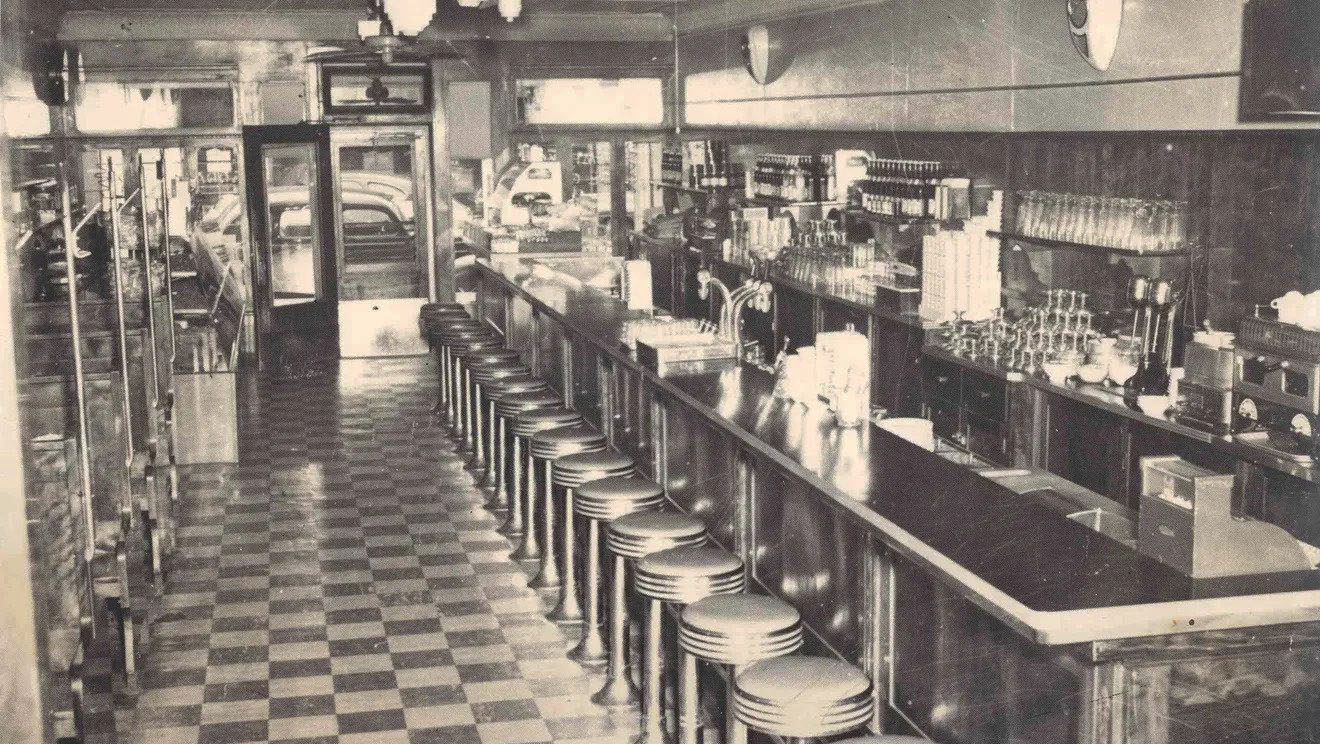
The Empire Drive-In

Mickey (1948)
Opening night June 3, 1949
Hog Wild (1980)
The last advertised movie to appear at the Empire Drive-In was Hog Wild.
It all started back in 1932 when Richard Hollingshead Jr., the son of an automotive chemical manufacturer in Camden, NJ, applied for a patent for the very first “Park-In Theater.” Hollingshead had spent a great deal of time calculating the spacing of cars and the angle of each car row required to provide unobstructed views of the screen. What Hollingshead didn’t calculate was the cost of the films he hoped to play at his theater and the willingness of others to pay him royalties for use of his concept. His patent was granted in 1933, but despite good crowds, he closed the business 14 months later because he wasn’t making any money.
Very few drive-in theaters were built until 1949 when Hollingshead’s patent was voided by the courts. Between 1948 and 1958 over 4,000 drive-in theaters opened in the United States, The Empire Drive-In being one of them.
The theaters became popular, inexpensive entertainment for families and teens, offering movies, food, playgrounds, in some cases miniature golf and other outdoor games.
In the evening hours driving along Empire Blvd., it was difficult not to crane your head and see what was showing on the big screen.
By the 1970s things began to change. Indoor theaters could show movies all day long and weren’t hampered by the weather. Like most drive-in theaters in the north, the Empire Drive-In Theatre was closed throughout the winter. Movie studios began sending their best films to the indoor theaters and second run and lower quality movies to the drive-ins.
In the Empire Drive-In’s last year they showed Animal House (R), Raging Bull (PG), and The Sword and the Sorcerer (R), but they also showed Demonoids (R), Funeral Home (R), X-Rated movies, and finished with Hog Wild (PG).
By 1981, 25% of US homes subscribed to cable television which added financial pressures to the entire theater industry. Believe it or not, HBO began its broadcasts in 1972, Showtime in 1976, and ESPN joined the cable line-up in 1979.
In October of 1982, Loews Theaters (now AMC Theaters) announced plans to buy the Empire Drive-In and replace it with eight indoor theaters (an 8-plex). A short time later, the Empire Drive-In was demolished and construction began on the new theater complex. On December 9th of 1983, The Lowes Webster Theater opened to the public. Scarface, Sudden Impact, Terms of Endearment, and The Right Stuff were all part of the opening night’s fare.
Drive-In Theaters of Western NY
According to the United Drive-In Theatre Owners Association (UDITOA), as of November of 2022, there were only 302 Drive-In Theatre locations remaining in the United States. We are fortunate to have 7 of those drive-ins here in western, NY.
Elmira Drive-In
2431 State Route 352
Elmira, NY 14903Finger Lakes Drive-In
1064 Clark Street Road
Aurelius, NY 13021Midway Drive-In Theatre
2475 NYS Rt. 48
Fulton NY 13069Silver Lake Twin Drive-In
7037 Chapman Ave.
Perry, NY 14530Sunset Drive-In
9950 Telegraph Road
Middleport, NY 14105Transit Drive-In Theatre
6655 S. Transit Rd
Lockport, NY 14094Vintage Drive-In Theatre
1520 W Henrietta Rd,
Avon, NY 14414
Help support the Webster Museum and look cool doing it!

June 3, 1949 The Rochester made Bernz-O-Matic Drive-In Car Heater once used by the Empire Drive-In during colder months.

Democrat and Chronicle, December 4, 1983 -
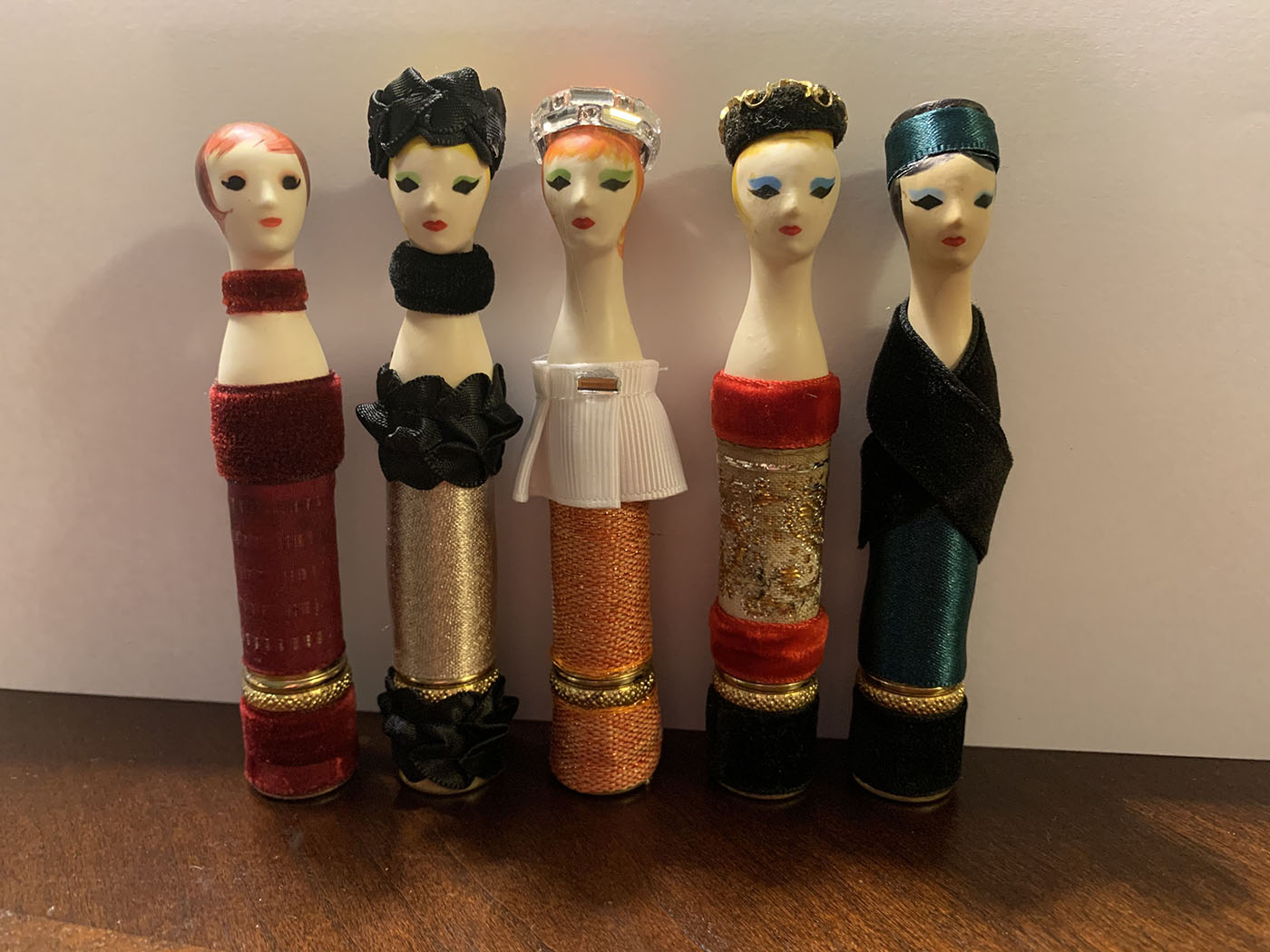
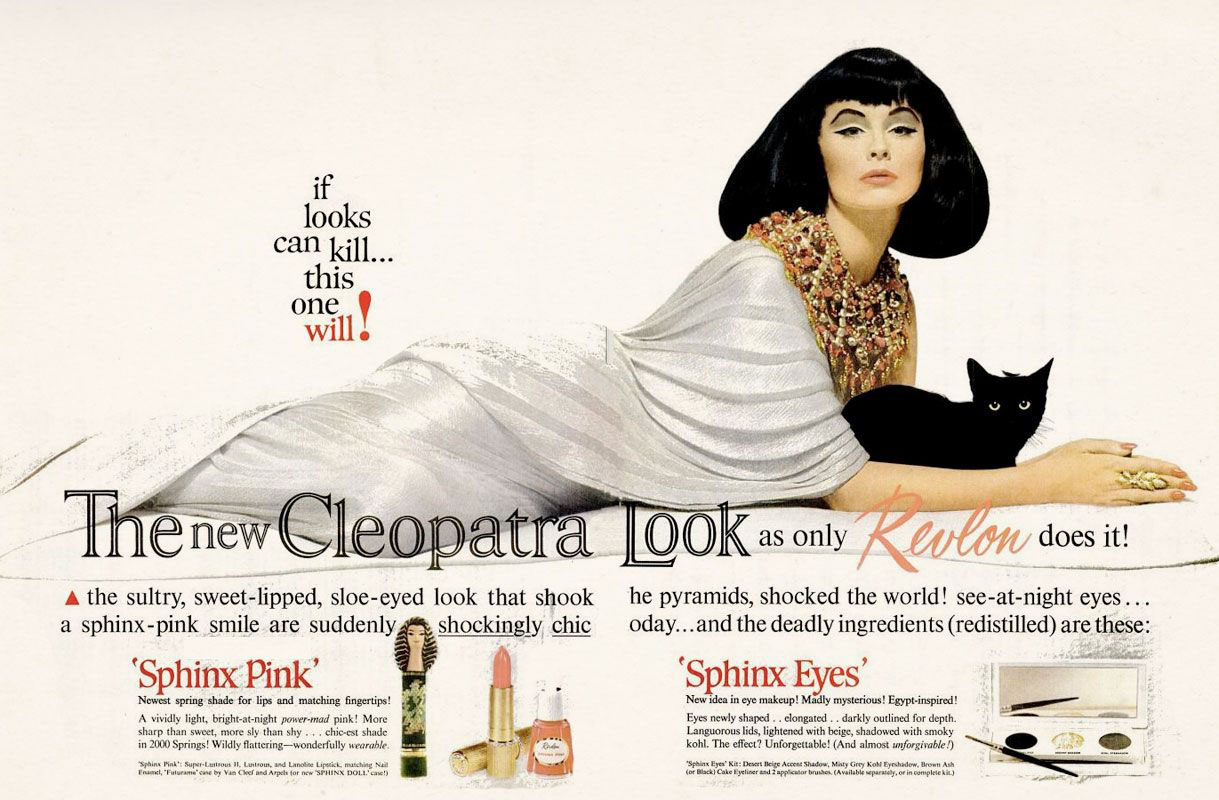
Revlon Couturines


one

two

three

four
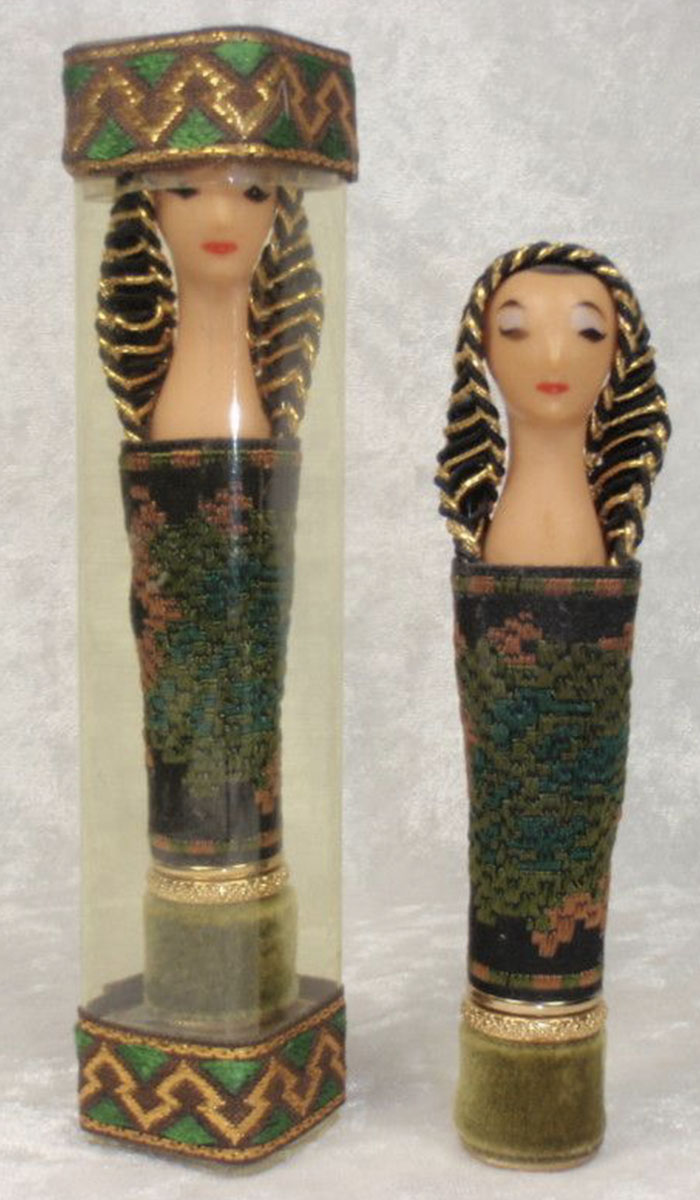
five

ad
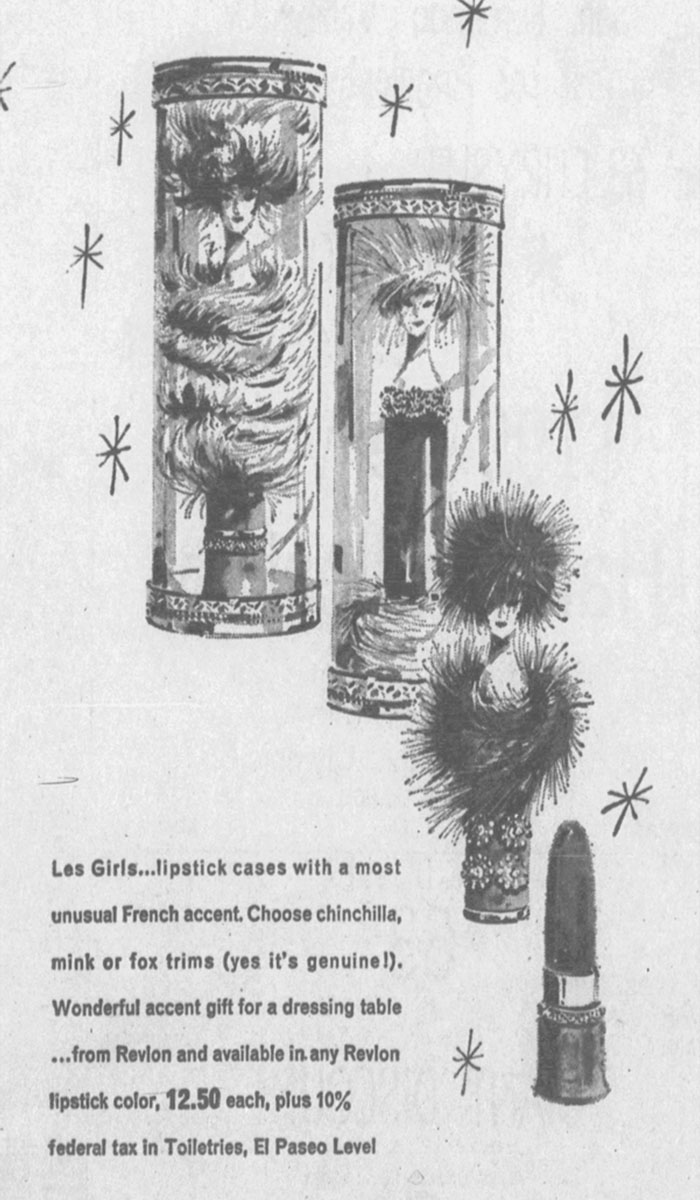

A truly fun idea…but alas, Revlon only made these “Couturines” lipstick holders between 1960-1963.
For more of their story visit the Makeup Museum.
-
The Rowdy Hallowe’en Celebration of 1939

NOW that Hallowe’en is over and the Hallowe’en celebration in Webster is in the background, one can take a retrospective view of the event and pass judgment upon it.
Several have called at the Herald office and declared that as a result of the rowdyism that took place on that evening, they would not lend further support to the Hallowe’en entertainment.
We feel that such supporters are taking a wrong view of the Hallowe’en entertainment. The entertainment was either a success or a failure regardless of what rowdyism took place. The question is whether the expense and work in connection with an entertainment which provided amusement for a large number of children as well as a good number of adults was justified. Did the fact so many did enjoy it prove it was worth while or did it prove otherwise? That is what the program must be judged by and not from any acts committed by some of Webster’s young men.
There are six churches in the Village of Webster and several in nearby sections. If the influence of these several churches was insufficiant to curb the rowdyism that our young men participated in on that night, is it not rather unreasonable to expect the evening’s entertainment to do just that. No, that aspect of the affair should not enter into the decision to commend or condemn the Hallowe’en celebration. It should be judged on merits other than that.
From page three of the November 17, 1939 edition of the Webster Herald.
-
I Want Candy
Whilst on the subject of candy…here are a couple videos by Rescue & Restore showing the restoration (re-imagining might be a better word) of several old candy machines.
An 1871 Candy Drop Roller
A Northwestern Model 60 Vending Machine
-
Hooked on Ribbon Candy

Webster was hooked on Steve Papapanu’s ribbon candy. His chocolate Easter eggs, homemade ice cream, and taffy were popular items too.
From 1908 until 1973, the Papapanu family ran the popular Candy Kitchen in the village of Webster, serving sandwiches, plates, sundaes, and a diverse selection of handmade chocolates and candies.
Steve Papapanu came to the United States from Greece when he was 12 years old, and began running the Candy Kitchen following his military service during World War I. His daughter, Mary grew up in the apartment above the Candy Kitchen and eventually took ownership of the business with her husband Chris Pantas.
Following a devastating fire that closed the Candy Kitchen, the family continued to make specialty candy products from their home and sold them through Utz’s Bakery until about 1979.
Another Greek family with a long history in the candy business continues to make ribbon candy by hand. The Andrianos family runs Hercules Candies in Syracuse, NY and has a number of popular videos online demonstrating how small batch candy is made.
Mary Pantas from a 2019 “History and a Cup”, sharing stories of her family and the family candy business. Mary talks about her dad’s ribbon candy around the 27 minute mark.
The crew at Hercules Candy of Syracuse, NY, making a batch of Chocolate Filled Ribbon Candy.
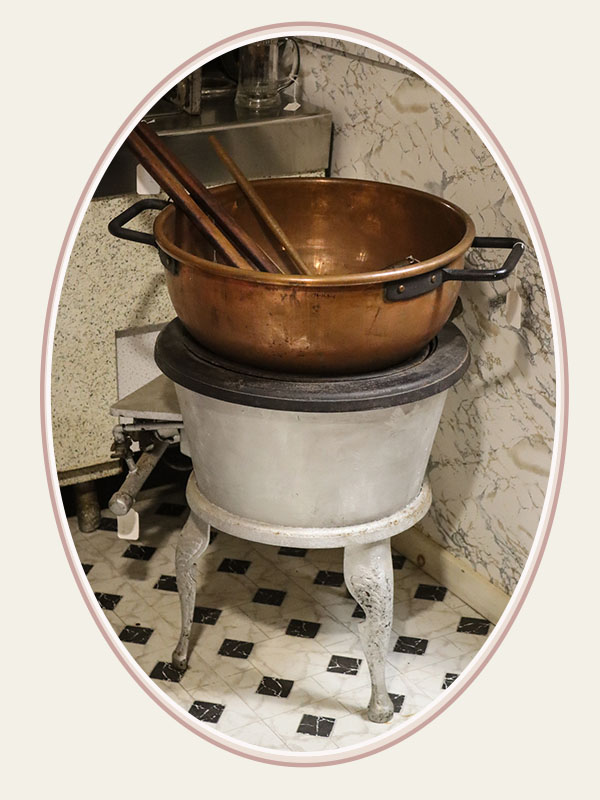
The copper kettle used by the Papapanu family to make a variety of candies. (On display at the Webster Museum.) 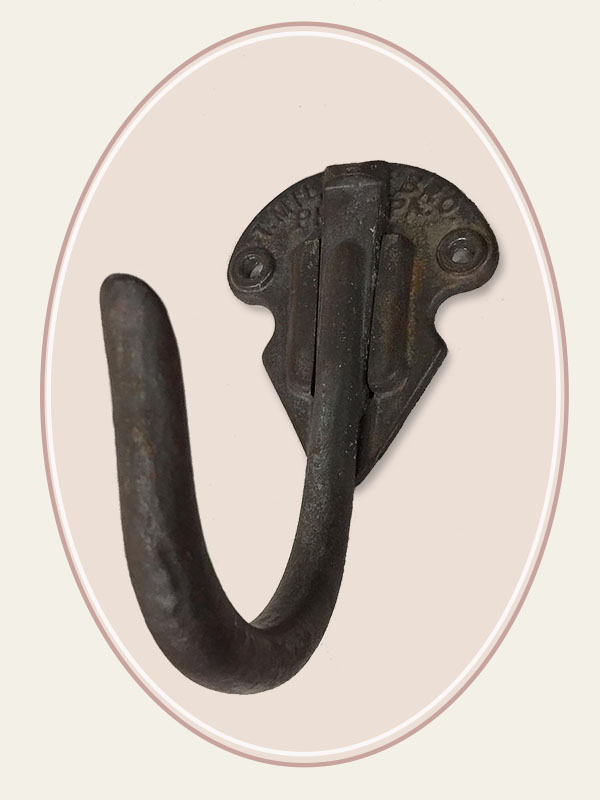
A taffy hook used in the preparation of ribbon candy. (On display at the Webster Museum.) Hercules Candies of Syracuse, NY: www.herculescandy.com
The Original Candy Kitchen of Williamson, NY: www.originalcandykitchen.com
-
Romance, 14580

Passion and romance. Words you wouldn’t be surprised to see together in a sentence. The passion I speak of though is the passion to write!
Despite the naysayers, the rejection letters, and the slim compensation, there are some amongst us that simply can’t imagine their lives without the creative outlet of pen to paper, or fingertip to key.
Back in the 1970’s and 1980’s a group of successfully published authors met regularly at the Greece Public Library for mutual support and to share their latest chapters. Two of the group’s authors, Audrey Pike Johnson and Virginia Kester Smiley, were both Webster residents. Virginia lived on Webster Road not far from Mill Creek Run. She was an avid collector with many hobbies, who had close to 30 of her works published. Audrey was a widow who lived on Fuller Avenue in the village and had at least 6 published books. Both were passionate writers most of their lives, but it was as grandmothers they found their greatest professional success.
While their passion for writing drove them, the subjects they wrote about were driven more by pragmatism. Authors may dream of writing the “Great American Novel”, but practicality often leads them to more accessible markets like “genre” romance novels. Gothic romance and nurse romance were both popular genres at the time.
In recognition of Women’s History Month, we currently have a selection of books written by Webster women on display at the museum. When not on display, they can be found on the shelves of the museum library.
Virginia Kester Smiley: Good Reads
Audrey Pike Johnson: Good Reads -
The Other Webster

Noah Webster Believe it or not, even within the borders of our fair town, there are those that associate the name “Webster” with the author of one of our country’s earliest dictionaries…Noah Webster.
182 years ago, when our town founders were carefully considering which name should appear on the side of future water towers, they likely had never heard of Noah Webster’s dictionary. After spending 26 years writing his tome, only 2,500 copies of the two volume book were printed in 1828 and at a cost of $20 for the pair (that’s more than $500 in today’s dollars). Mr. Webster still had copies available for purchase in 1836. (Volume I | Volume II)
On the off chance, Byron Woodhull and the other town fathers had procured a copy of Webster’s dictionary, as largely conservative “Whigs”, the book’s vast lexicon would have likely been considered too radical, if not vulgar.
Webster was a staunch nationalist. Believing the United States was superior to Europe because its values were superior. With that in mind, Webster felt the United States needed its own fresh interpretation of the English language. Using uncommon alternative spellings as a guide, Webster set about to change how numerous words were spelled.
The most striking and frequently cited example of Webster’s tweaking of our written word is the removal of the “u” from the word colour. Similarly, “flavour” became “flavor” and “harbour” became “harbor”. “Defence” became “defense”, “modernise” became “modernize, and “theatre” became “theater.
Most ironic of all alterations, “anglicise” became “anglicize”.
Despite these successes, many of Webster’s alterations were rejected by the general public. “Soup” did not become “Soop”, “believe” did not become “beleev”, and thankfully “daughter” did not become “dawter”.
A few of Webster’s less successful alternatives:
Ake -> Ache
Beleev -> Believe
Bilt -> Built
Cloke -> Cloak
Dawter -> Daughter
Determin -> Determine
Giv -> Give
Greef -> Grief
Gillotin -> Guillotine
Grotesk -> Grotesque
Hainous -> Heinous
Iland -> Island
Korus -> Chorus
Masheen -> Machine
Neer -> Near
Nightmar -> Nightmare
Porpess -> Porpoise
Sley -> Sleigh
Soop -> Soup
Spunge -> Sponge
Steddy -> Steady
Stile -> Style
Thum -> Thumb
Tung -> Tongue
Turnep -> Turnip
Wimmin -> Women
-
Ironrite
Surprisingly, Mary Jones doesn’t run the film’s narrator through the Ironrite.
-
Why Van Ingen Drive?
While out playing Pokemon Go, heading to Ridge Park or maybe the library, you may have noticed a small metallic green street sign along Hard Road directing drivers to “Van Ingen Drive”.
Those too young to remember, might ask “Who is this Van Ingen?”
The street is named for Judge Jack Van Ingen who was Webster’s Town Justice for many years. In fact, the court building the road leads to is also named in his honor. You could say the street name also honors Van Ingen’s wife Virginia, as she was at his side during the many weddings he officiated.
Below are two short Associated Press (AP) stories involving Judge Van Ingen that were published in numerous newspapers across the country. The first from 1959, the second from 1961.

No Room for Love on Rt. 104
ROCHESTER (AP) – “There’s no room for love on Route 104.”
That’s what Peace Justice Jack Van Ingen of suburban Webster told motorist John Francis Payment, 18 after Payment’s arrest for driving while his girl friend was sitting on his lap. State Trooper Ralph Wulff charged that Payment and the girl each had a hand on the wheel.
Payment was specifically charged with allowing a passenger to interfere with his control of the vehicle. He was fined $10.
Safety Lesson
WEBSTER, NY (AP) – After Webster Peace Justice Jack Van Ingen sentenced 21 speeders he invited them to watch a demonstration of the distances needed to stop while traveling at various speeds. Oscar, a sawdust-filled dummy was thrown onto a road in front of a car driven by an officer. At 60 mph, it took 253 feet to stop the car.
Patty Orsini’s 1982 article from the Webster Herald tells the Van Ingen story well.

A 1936 Webster High School Yearbook photo of Jack Van Ingen Webster’s marryin’ judge”
By Patty Orsini
Webster Herald, Wednesday April 7, 1982Perhaps best known for his prolific work in performing civil marriage ceremonies, Webster Town Justice Jack Van Ingen has done more in his 25 years of service to Webster than uniting thousands of couples.
The ceremonies, however, are just as important as the court aspects I of his elected position. His civil ceremonies are a great source of pride to the 63 year-old judge; and the subject of his best stories.
“Grooms faint more than brides,” says Van Ingen, who, as town justice, performs the majority of the ceremonies in his own home, although He has been known to go from boats to vans to make the weddings the most remembered day of the couples’ lives.
“I had one groom faint three times. I keep smelling salts right here,” he says, pointing to his breast pocket, I finally had to take him out to the porch for air and married him there.”
Van Ingen is being honored this week by his fellow Websterites as the longest serving Democratic official in the county.
He is not a lawyer, but he has had an interest in the law since his work with black ministers for ‘the improvement of conditions of the migrant camps around Rochester in the 1950’s.
Success in his work with the camps led to work with the motor vehicle traffic and safety laws. He was one of the first town justices to speak out for uniform traffic laws between the states.
“It was very different in the early 60’s,” he recalls. “The laws were completely different from state to state, and very confusing for drivers.” His campaign was highlighted by an invitation by then President Dwight Eisenhower to speak at a convention in Florida concerning traffic laws.
He began town service in 1955 as a member of the Planning Board, then in 1957 was elected to the town board and, as it was called then, Justice of the Peace (the title was changed in 1967 to Town Justice).

Throughout his years as town‘ justice he was employed at Kodak, as a development scientist. His work there included developing products for which he holds numerous patents, most recently in the
field of ultrasonic energy. In fact, his 25 years as town justice coincides with his retirement after 45 years with Kodak.I left February 12 to take six weeks of vacation time, and decided not to go back,” he says, laughing: “It’s the best decision I could have made, both mentally and physically.
“I think I was suffering from burnout,” he admits. “Now, I’m as busy as I ever was, but l’m doing things I want to” do.”
One thing he will be doing is performing more weddings. “It’s never the same thing twice, “that’s Why I enjoy it so much,” he says. He credits his wife, Virginia, for handling the creative aspects of the ceremonies.
She is never far behind when be performs a ceremony — taping the service, greeting the guests, making sure everything is the way the couple wants it.
She is also the reference he refers to most often when he needs to know a name, date, or place. “Ginny wasn’t that…” or Ginny, how many…” is a common response when talking to Van Ingen.
Van Ingen also has some ideas about how he wants to run his court, because, although he has retired from work, he does not plan to retire from public service.
He has received one of the highest ratings from the Justice Court Committee of the Monroe County Bar Association for the efficient way he runs his court.
Van Ingen has witnessed the growth of Webster through the growth in the number of court cases he has handled. In 1957, he says he had about 30 criminal cases and 300 traffic violations. In 1981, he had 2,909 traffic violations and more than 500 criminal cases.
“Things have changed a lot in this town,” he says. “The manner in which criminal acts occur are much more violent than they were 25. years ago. They are more vicious than a straightforward punch in front of a bar.”
The nature of the job has also changed—- from a hands-on, counseling profession to strictly interpreting the law.
“We used to deal a lot with families in the criminal cases,” he says. “Now judges stay strictly in the courtroom. I think it’s the right change. Now there are more agencies that have experience in dealing with problems.”
One of the only things that hasn’t changed about he job is the hours. He still gets calls late at night from the police department requesting immediate arraignments. “I used to sleep well before I took this job,” he says
“But,he’s never grouchy,” adds Virginia, who has been sitting at his side while he speaks. “He may be tired, but I’ve never seen him angry about ‘being woken up,”
“Actually, once I’m up it’s not bad,” he says.
“I just take my time and enjoy the ride to the courtroom. They play the best music at night on the radio anyway.”
The “marryin’ judge” has been at his job for 25 years, longer than any other judge in the county, but that does not mean he has become set in his way of doing‘ things.
“Part of me is always thinking about development. That was my job at Kodak-— trying to find ways to do things better in everything I do, whether it’s weddings or law, I try to find ways to do it
better.”
Jack Van Ingen continued as Webster Town Justice until 1987. He and wife Virginia eventually retired to the town of Greece. Jack died in 2002 at the age of 84. Virginia was with us until 2019 and the age of 100.
-
The Silver Swan
While we do have swans in the Irondequoit Bay, it would be a dramatic stretch to connect an 18th century automatonic swan to Webster in any way….but as its really cool, so we thought we’d share it here.
Created in 1773 by John Joseph Merlin (1735–1803) and James Cox (1723–1800), the silver swan has been located at the Bowes Museum in Teesdale, England since 1892. When an internal clockwork mechanism is wound, a music box plays, glass rods rotate giving the illusion of flowing water, and the silver swan turns its head from side to side.
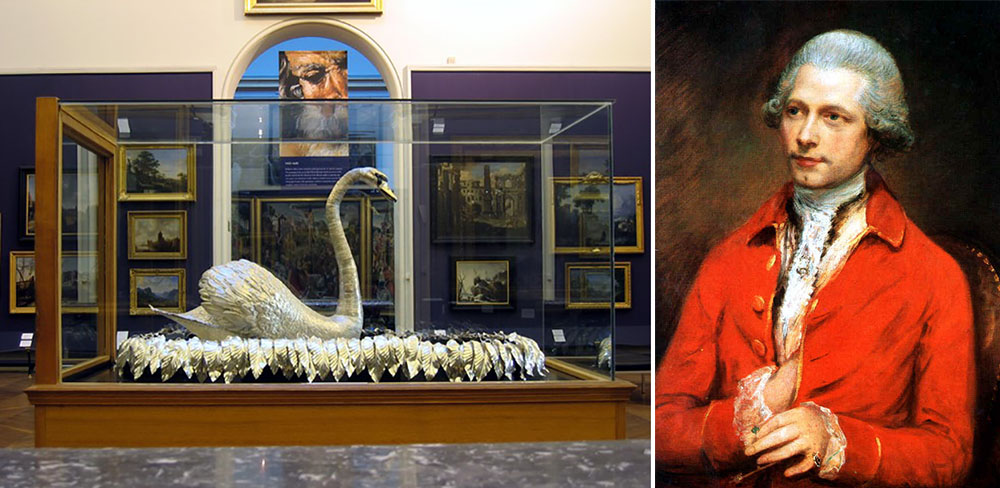
The Silver Swan | John Merlin More: The Hermitage Peacock

The Webster Museum