
Books: Local History
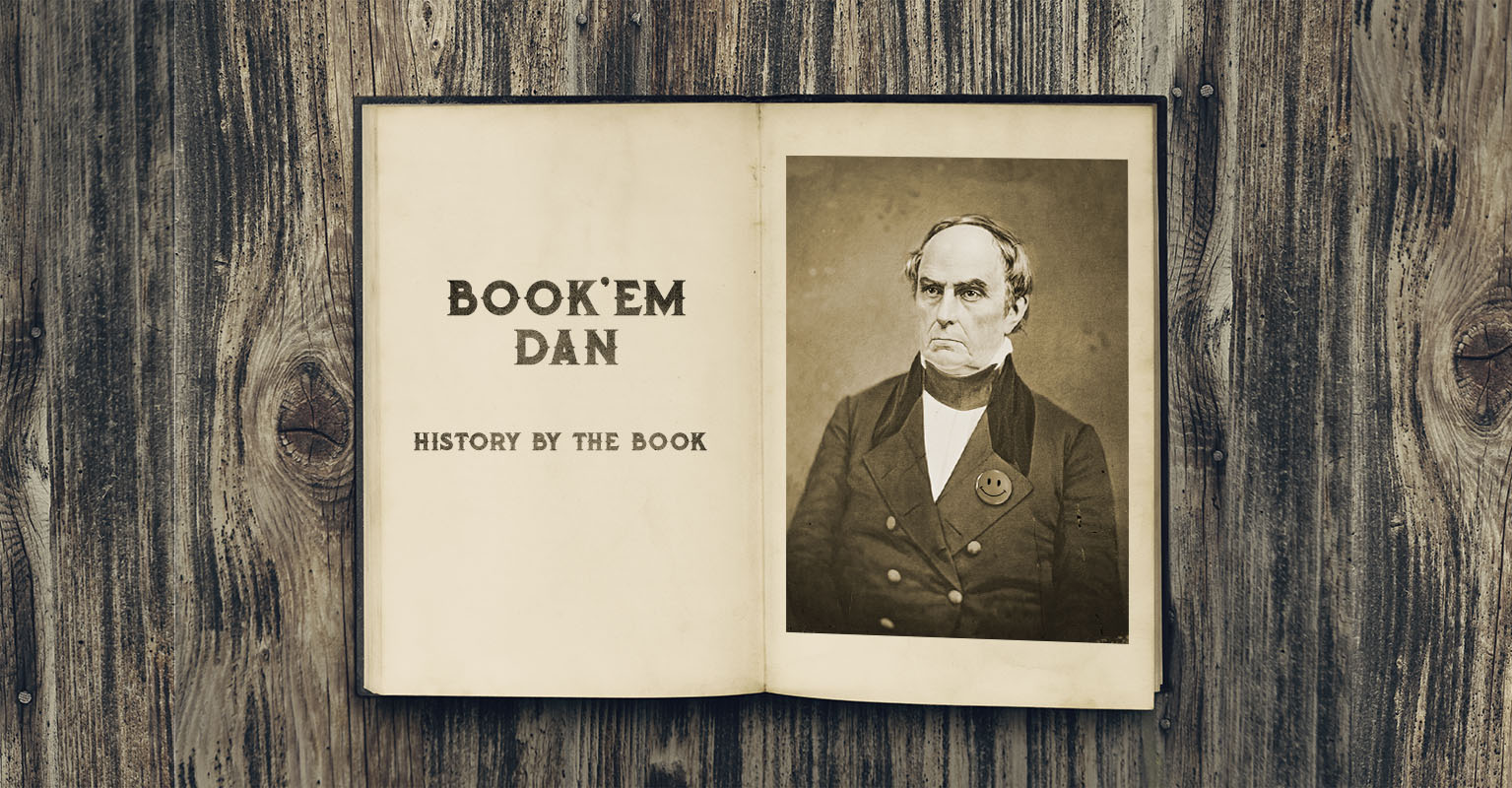
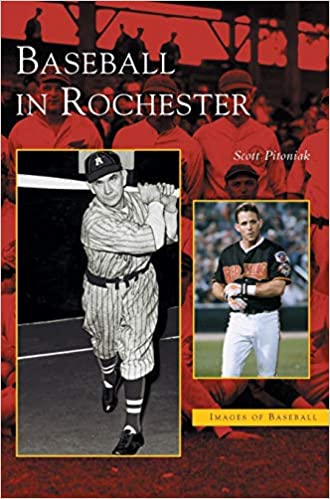 Baseball in RochesterScott Pitoniak links to Amazon.com Few cities can boast of a longer or richer baseball tradition than Rochester, New York. The game's roots in the Flower City can be traced to the early nineteenth century, when a primitive form of baseball was being played on Mumford's Meadow near the Genesee River. Since that time, some of the greatest names in baseball history, including Stan Musial and Cal Ripken Jr., have honed their skills in Rochester. Their exploits, along with those of numerous others, are documented with rare photographs in Baseball in Rochester. Through the years, nineteen people with local ties have been inducted into the National Baseball Hall of Fame. The Red Wings have won ten Governors' Cups-more than any other International League team-and Rochester has been designated Baseball City, U.S.A., by Baseball America magazine. Baseball in Rochester chronicles not only the superstars but also the quirky characters and moments that make the minor leagues so appealing. | 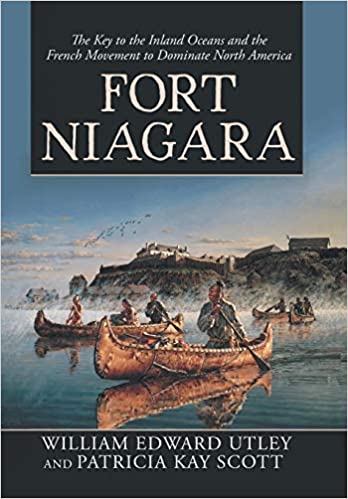 Fort NiagaraWilliam Edward Utley and Patricia Kay Scott links to Amazon.com Fort Niagara is located twelve miles downriver from the world-renowned Niagara Falls, yet few visitors to either site know this was once Iroquois territory and claimed by France. This volume summarizes the fascinating span of North American history when New France was established during the sixteenth century in present-day Canada, explored, and expanded to the Niagara River - a strategic water and portage route connected to the Great Lakes. Chronologically the authors dramatically trace how the Iroquois gained the Niagara River, and how they kept this lucrative trade route for themselves long after the French became established fur traders in the Great Lakes. The Iroquois continued to control the Niagara River as the French built the short-lived Forts Conti (1669), Denonville (1687/1688), and finally Fort Niagara (1726-1759). Fort Niagara: The Key to the Inland Oceans and the French Movement to Dominate North America incorporates actions and political changes elsewhere that influenced the French and Iroquois at Niagara, especially during the French and Indian War, which ended the French Occupation of Fort Niagara and set the stage for the Iroquois to lose their long-held Niagara River territory. |
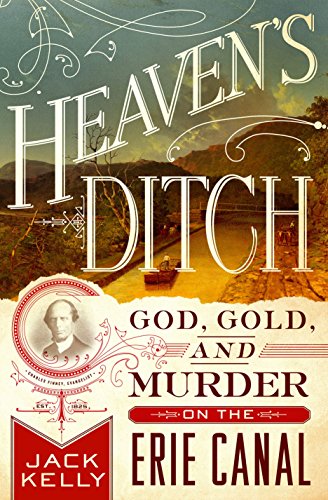 Heaven’s DitchJack Kelly links to Amazon.com The technological marvel of its age, the Erie Canal grew out of a sudden fit of inspiration. Proponents didn't just dream; they built a 360-mile waterway entirely by hand and largely through wilderness. As excitement crackled down its length, the canal became the scene of the most striking outburst of imagination in American history. Zealots invented new religions and new modes of living. The Erie Canal made New York the financial capital of America and brought the modern world crashing into the frontier. Men and women saw God face to face, gained and lost fortunes, and reveled in a period of intense spiritual creativity. | 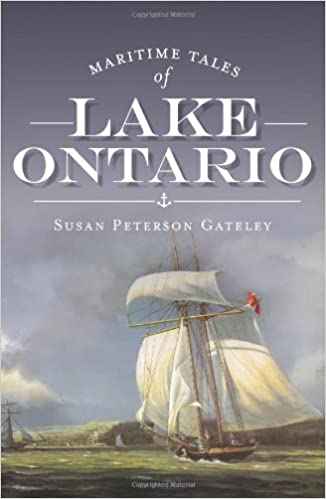 Maritime Tales of Lake OntarioSusan Peterson Gateley links to Amazon.com Easternmost of the Great Lakes, Lake Ontario is bordered by both New York and Ontario. Upon its pristine surface, countless vessels have sailed, but its bottom depths are littered with the skeletons of shipwrecks, including HMS Ontario, caught and destroyed in one of the sudden storms that often turn this sea-like lake deadly. Daring mariners, male and female, have seen their share of peril, and battles during wars between Britain and the United States and Canada have also been waged here. From Huron canoes to today's "Sunday sailors" who venture from shore only during warmer months, local author Susan Gateley tells some of the lake's most exciting stories. |
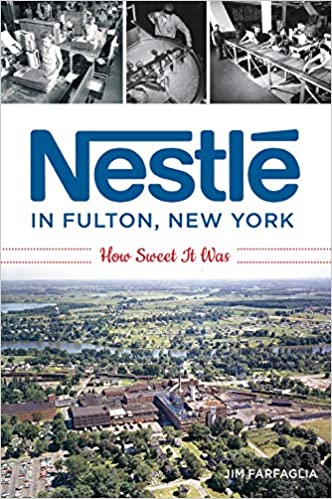 Nestlé in Fulton, New YorkJim Farfaglia Links to Amazon.com In 1898, Switzerland's Nestlé Company was searching for a location to build its first milk processing plant in the United States. Upstate New York's bountiful dairy farms sealed the deal for a factory in Fulton. Soon another Swiss company requested space at the factory to produce a confection that had taken Europe by storm: the milk chocolate bar. Over the next century, factory technicians invented classic treats including the Nestlé Crunch Bar, Toll House Morsels and Nestlé Quik. With 1,500 workers churning out 1 million pounds of candy per day, Fulton became known as the city that smelled like chocolate. Author Jim Farfaglia recounts the delectable history of Nestlé in Fulton. | 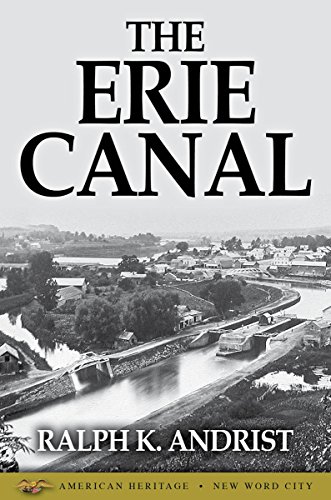 The Erie CanalRalph K. Andrist links to Amazon.com The Erie Canal was a preposterous idea. Even President Thomas Jefferson, usually ahead of his time, believed that it could not be built for at least a century, and yet, the Erie Canal came to be just as its planners had thought it would. For the first time in the history of the United States, a cheap, fast route ran through the Appalachians, the mountains that had so effectively divided the West from the East of early America. With the canal, the country's fertile interior became accessible and its great inland lakes were linked to all the seas of the world. Here, from award-winning historian Ralph K. Andrist, is the canal's dramatic and little-told story. |
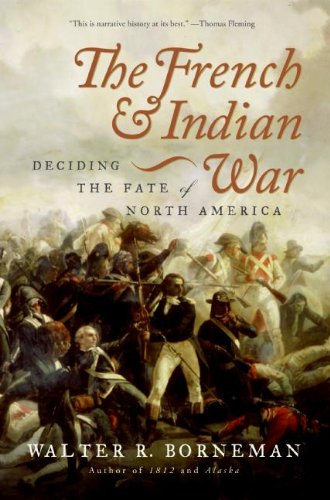 The French and Indian WarWalter R. Borneman links to Amazon.com In the summer of 1754, deep in the wilderness of western Pennsylvania, a very young George Washington suffered his first military defeat, and a centuries-old feud between Great Britain and France was rekindled. The war that followed would be fought across virgin territories, from Nova Scotia to the forks of the Ohio River, and it would ultimately decide the fate of the entire North American continent—not just for Great Britain and France but also for the Spanish and Native American populations. Noted historian Walter R. Borneman brings to life an epic struggle for a continent—what Samuel Eliot Morison called "truly the first world war"—and emphasizes how the seeds of discord sown in its aftermath would take root and blossom into the American Revolution. |